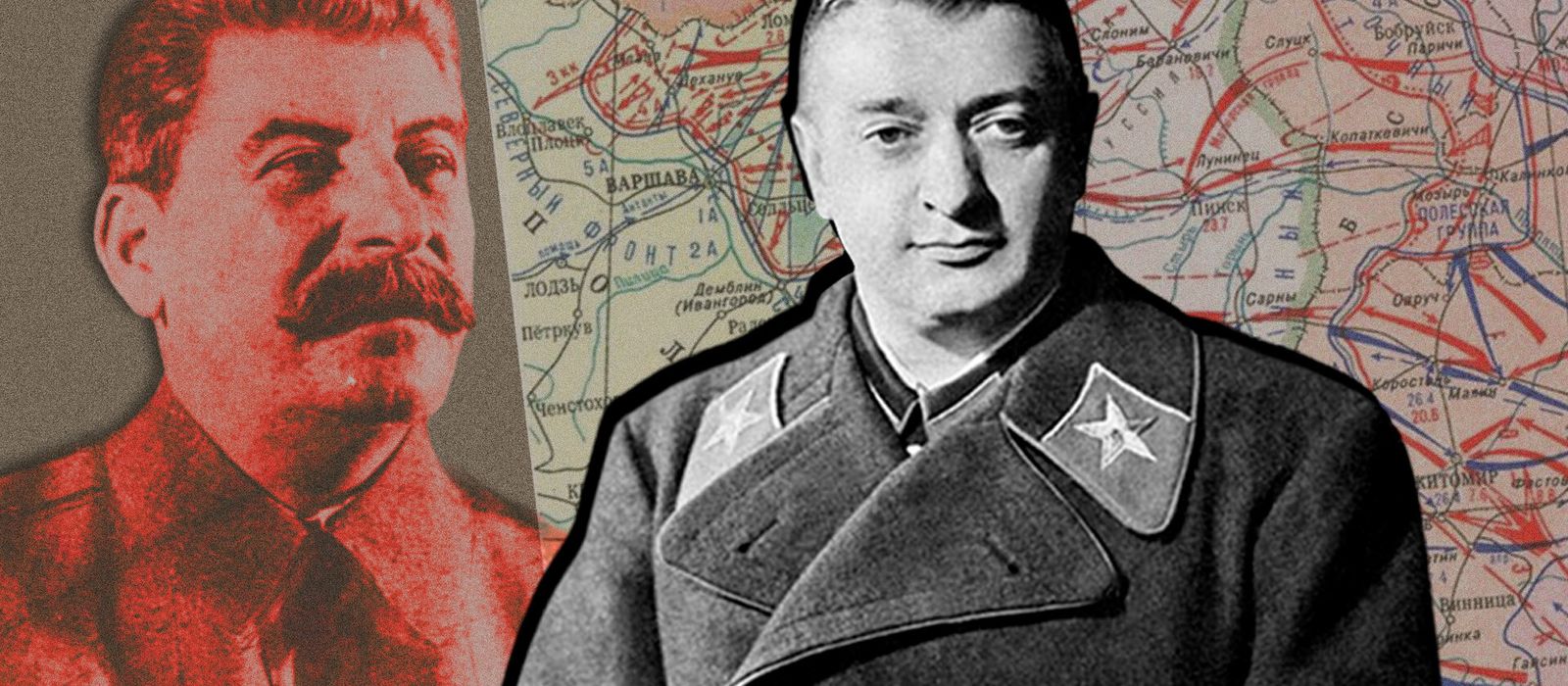
The Tragic Story of the Red Napoleon
Opinion
The views expressed in this piece are those of the author and do not necessarily represent Red Vanguard editorial positions.
From revolutionary hero to a man betrayed by his own ambitions.

May 20, 2026
There are men born of revolution who mistake its thunder for their own heartbeat. Mikhail Tukhachevsky was such a man, a cavalry officer of rare brilliance, a theorist of mechanized warfare and a marshal who dreamed in steel. The Civil War had made him, the furnace where so many were forged and so many more were consumed. He rode with the Red Army across the steppes, commanded entire armies before he was thirty, and somewhere along that bloody road he began to confuse the army with himself, and himself with history.
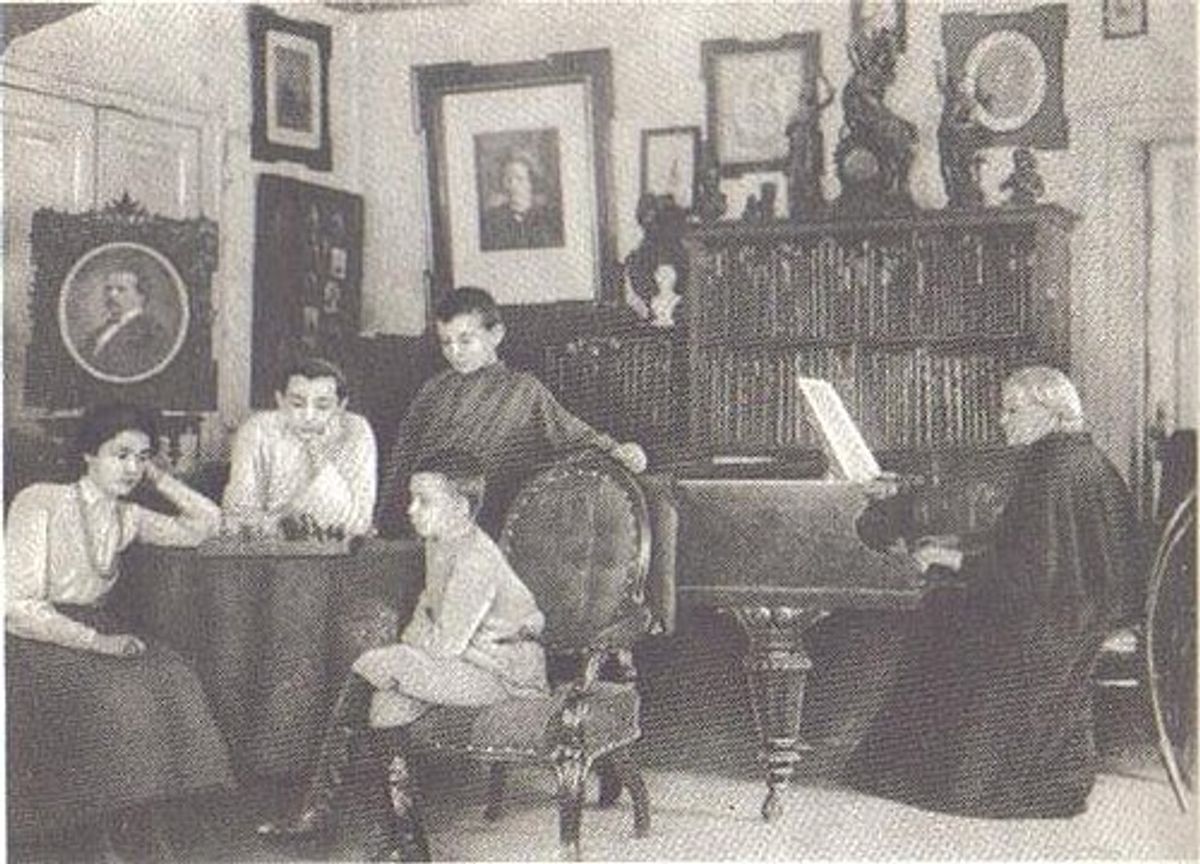
The Tukhachevsky family in 1904
Red Napoleon. A name given to him as praise for his brilliant battle maneuvers, but it carried a warning that no one yet saw, least of all him. Napoleon too had been a son of revolution who crowned himself emperor. Tukhachevsky did not need a crown. He had the General Staff, the secret schools in the forests near Kazan, the whispered conversations with German officers in Berlin hotel rooms. He had a feeling and ambition so common among brilliant men like him, that in his mind, he was better than the collective wisdom of the Party he had sworn to serve.
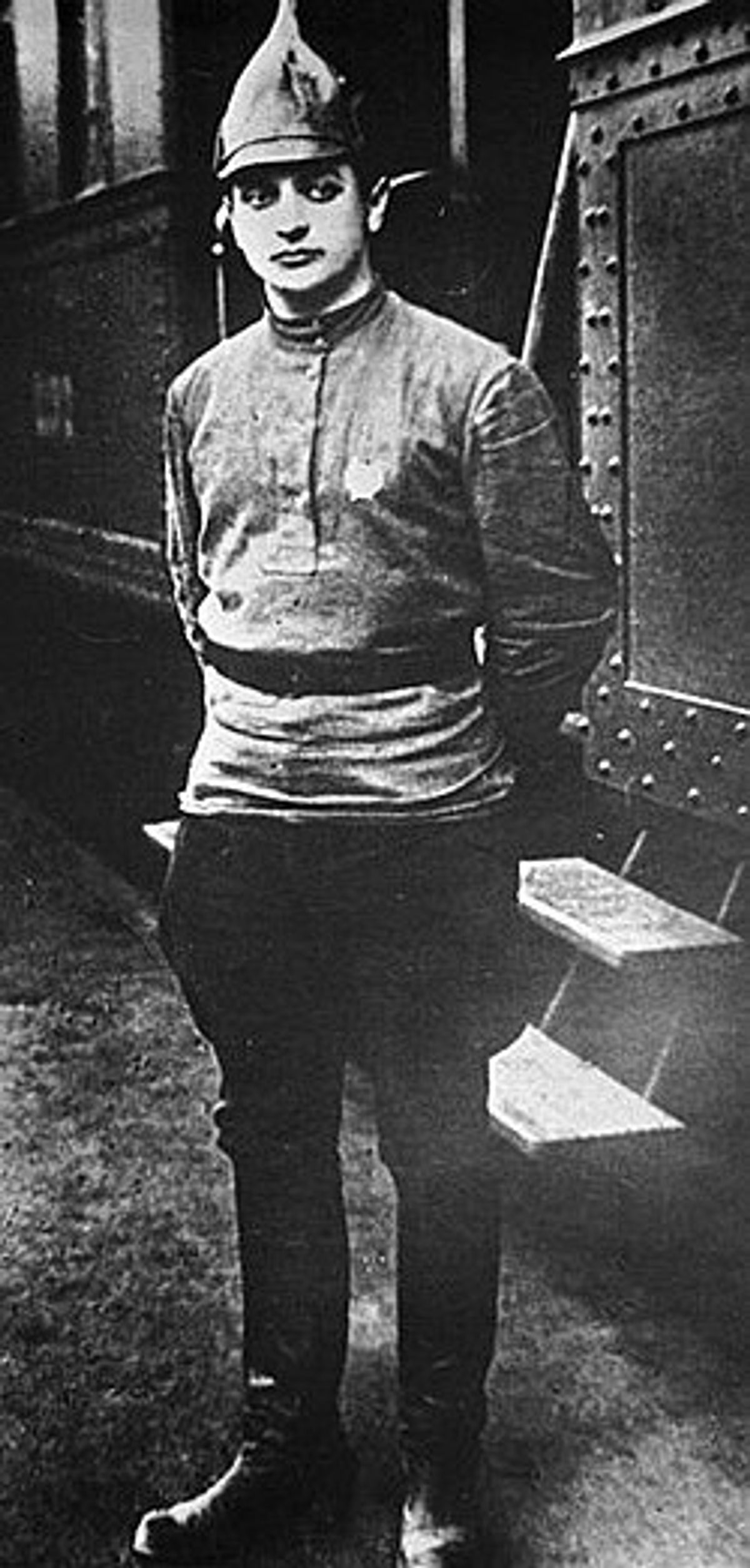
Tukhachevsky in 1920, during the Russian Civil War
What could have been? This question haunts the study of his life like smoke in a closed room. A Red Army led by Tukhachevsky might have struck first against the gathering Nazi threat, or so his admirers claim. Deep operations, as his theory went, with thrusts into the enemy's depth, encirclement, annihilation. It is tempting to imagine him at the head of tank armies in 1941, turning the Wehrmacht's flanks, writing his name in fire across Eastern Europe. But history does not remember him for such actions; he is, instead, remembered for his betrayal of the party, state, and people he swore to protect.
His conspiracy to overthrow Stalin was a network of ambition that stretched from Khabarovsk to Berlin, from the barracks to the diplomatic salons. Tukhachevsky spoke of alliance with Nazi Germany to Romanian ministers. He plotted arrests and executions for the leadership of the Soviet state. He surrounded himself with men who shared his contempt for the slow, grinding work of socialist construction, his impatience with the peasant in his village and the worker at his bench. They were to be led, these masses, not consulted. Directed, not trusted. The army would be the only ruling body with him at its head.
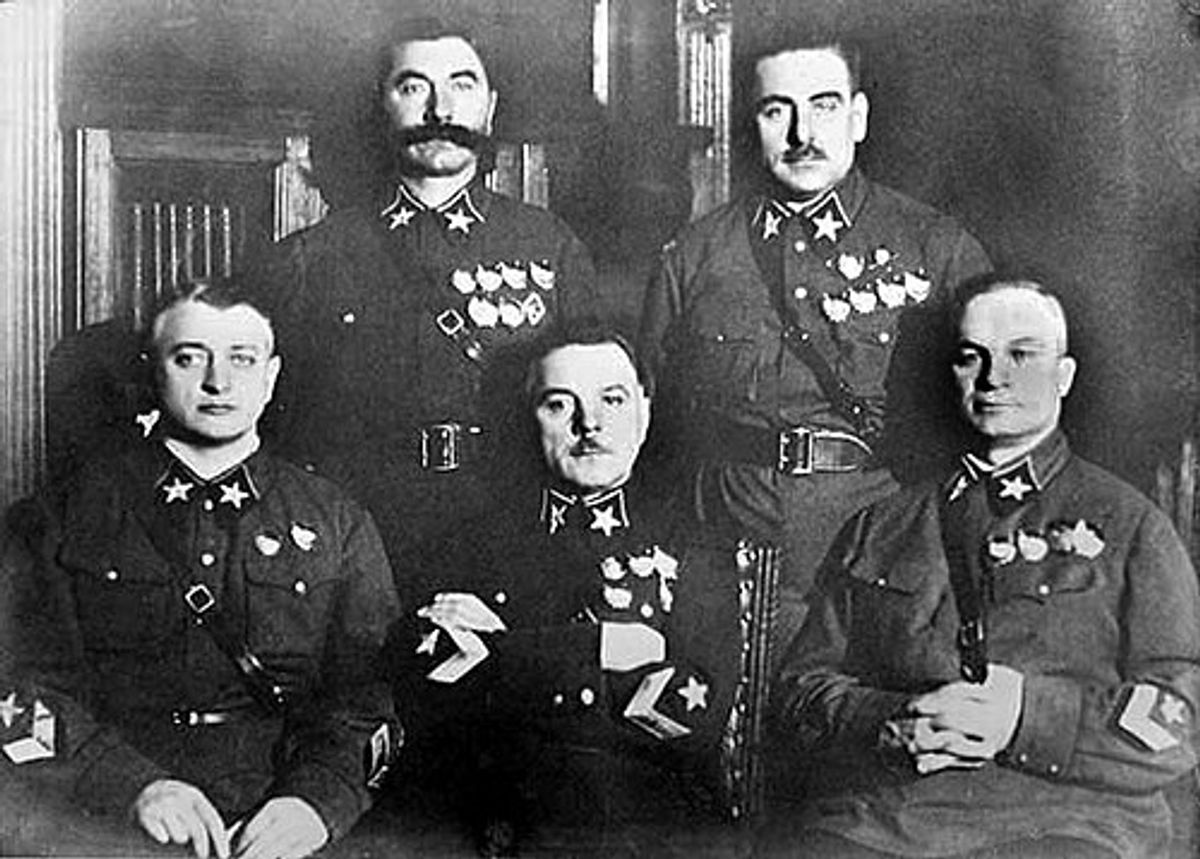
Tukhachevsky with the other first four Marshals of the Soviet Union in November 1935.
The lesson of Tukhachevsky is one older than Marx or Lenin, though both men spent their lives teaching it. A revolution that eats its own children is a tragedy, but a revolution that surrenders to its would-be Bonapartes is a corpse. Tukhachevsky and his circle represented the permanent temptation of military professionalism severed from political consciousness, the belief that tanks, planes and brilliant maneuvers could substitute for the conscious activity of millions. They were afraid of the people, Stalin said, and the words were not rhetoric. A man who conspires with foreign generals against his own government has already decided that his people are not worth his effort.
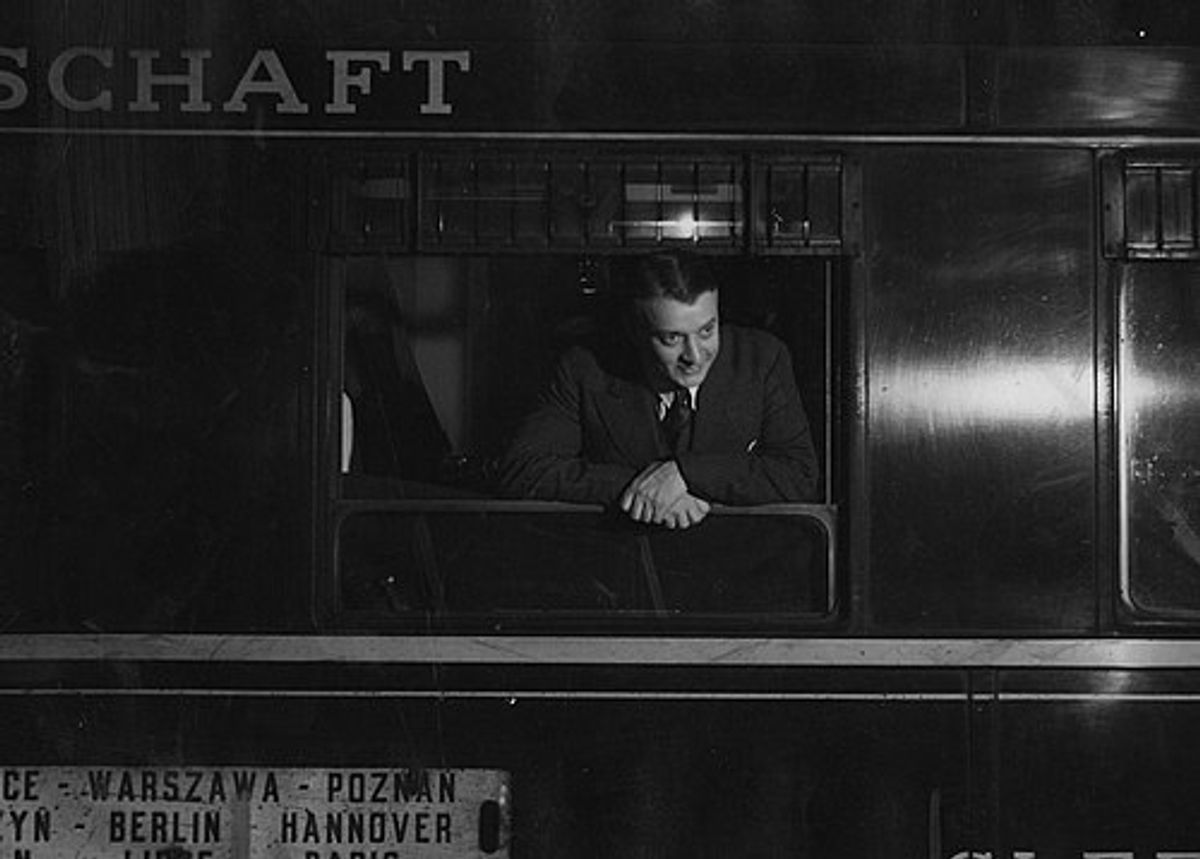
Tukhachevsky at the Warsaw Railway Station, en route to London, 1936
What was lost? Some military doctrines, some organizational charts, the lives of men caught in the machinery of conspiracy and counter-conspiracy. But what was preserved was something harder to name and more essential: the principle that the Red Army belonged to the Soviet power, not to its commanders; that military expertise served political ends determined by the working class through its Party; that the revolution would not be traded for a general's career or a nation's temporary strategic advantage.
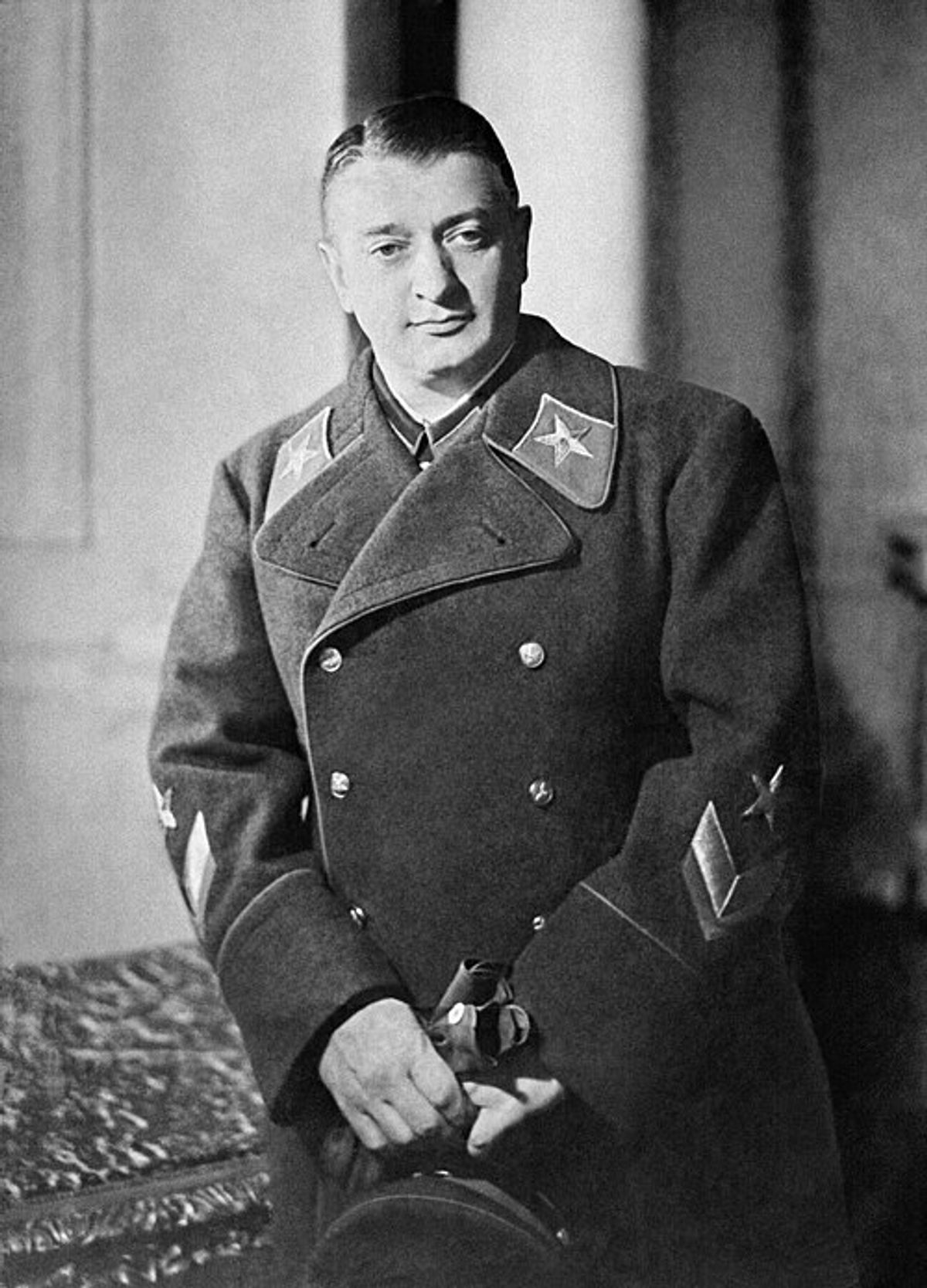
Tukhachevsky in 1936
The new marshals who came after, that of Rokossovsky, Zhukov, Konev, great men of worker and peasant origin who had risen through the ranks and proved the truth of what Stalin told the Military Council in June of 1937. The reserves of talent were unlimited. The army that broke the Wehrmacht at Stalingrad and Kursk, that raised the red banner over the Reichstag, was not Tukhachevsky's army. It was the people's army, commanded by men who had passed through the fire of suspicion and purge and emerged committed not to personal glory but to the defense of socialism. Goebbels, reading their biographies in the bunker as the Reich collapsed, understood what his own side had failed to learn: that an army rooted in its people, commanded by men of the people, was invincible against mercenaries of any stripe.
Tukhachevsky teaches us, if we are willing to learn without sentiment, that the greatest danger to a workers' state comes not always from the right, from the open counter-revolutionary with his White Army and his foreign bayonets. Sometimes it wears a red star. Sometimes it speaks of deep operations and revolutionary war. Sometimes it is the man who believes himself indispensable, who mistakes his own strategic vision for the march of history, who would rather deal with foreign generals than with the tedious business of political education and mass mobilization.
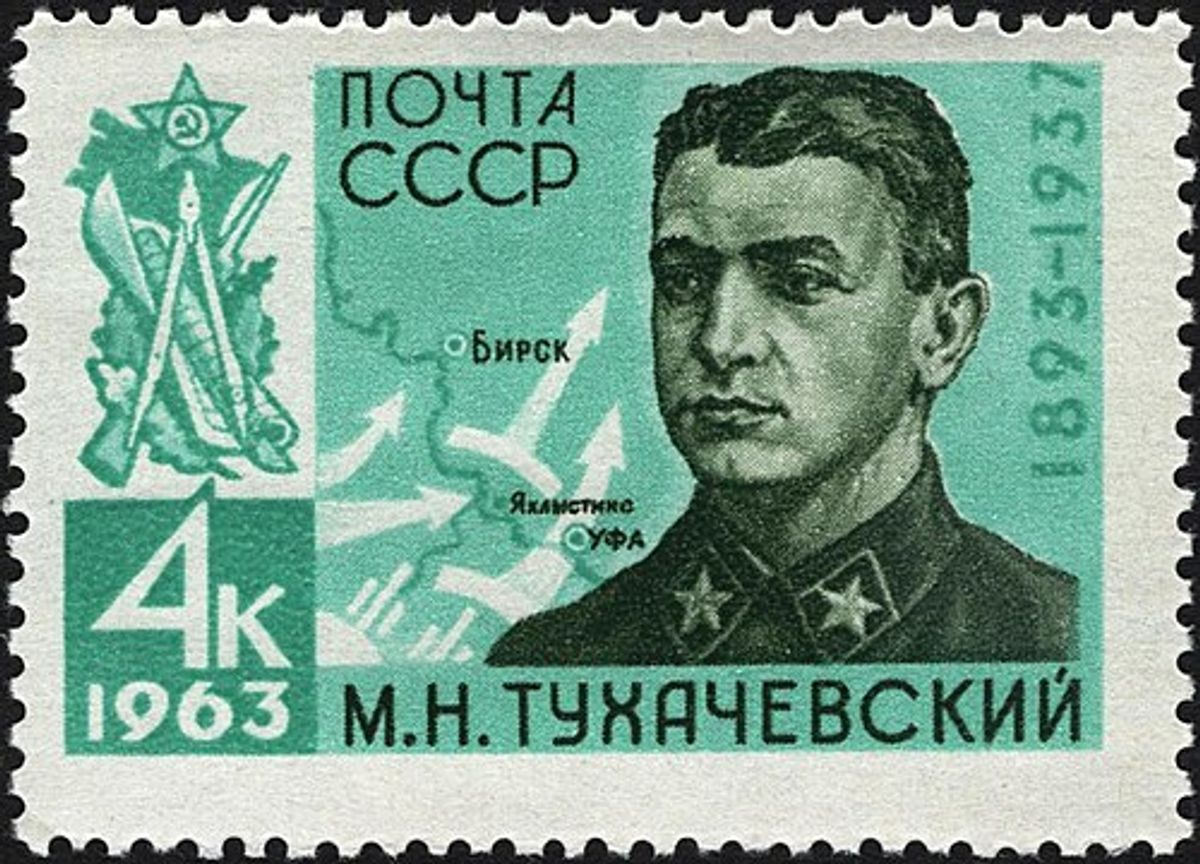
1963 Soviet stamp featuring Tukhachevsky
The Red Napoleon was shot in the cellars of the Lubyanka, and with him died a certain kind of revolution, the revolution as military adventure, as coup d'état, as the brilliant stroke that changes everything while changing nothing. What survived was harder, slower, more patient, the revolution as the long education of millions, the building of socialism in one country while preparing for the inevitable onslaught, the trust in ordinary people to produce from their ranks the leaders they need.
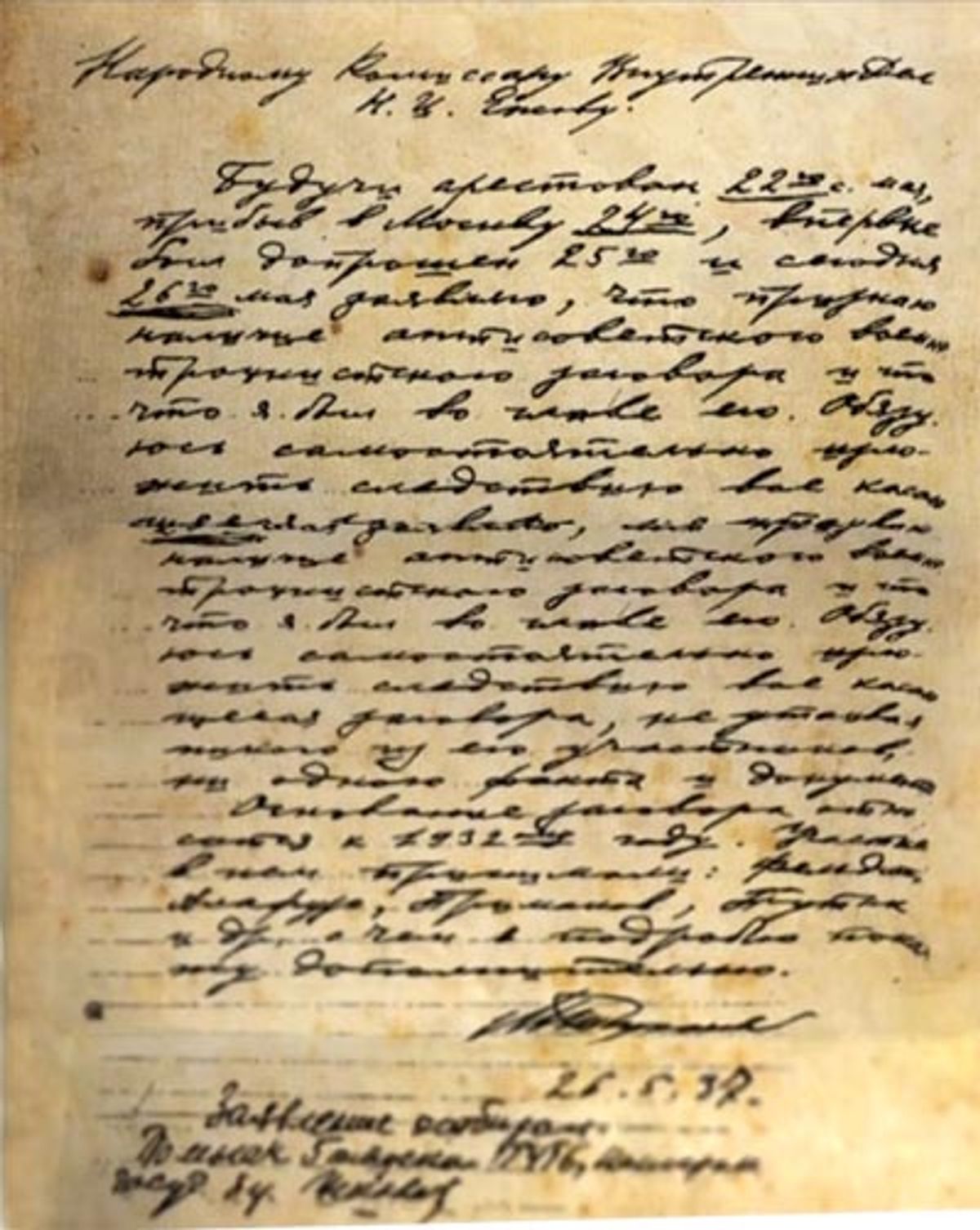
Tukhachevsky's Confession May 1937
We do not honor him. We study him, as one studies a warning sign on a dangerous road. The path he walked of professionalism without politics, ambition without discipline and conspiracy without mass support, leads always to the same destination. Not to the smashing of fascism, but to its accommodation. Not to the liberation of peoples, but to new forms of domination wearing revolutionary masks. The Red Army that defeated Hitler was built on different foundations, and its victory was the verdict history passed on the man who would have led it otherwise.
"An atmosphere of extreme tension reigned during this period; it was necessary to act without mercy... If Tukhachevsky, Yakir, Rykov and Zinoviev had started up their opposition in wartime, there would have been an extremely difficult struggle; the number of victims would have been colossal". - J. Stalin
«...Заявляю, что признаю наличие антисоветского военно-троцкистского заговора и то, что я был во главе его. ...Основание заговора относится к 1932 году».
("...I declare that I acknowledge the existence of an anti-Soviet military-Trotskyist conspiracy and that I was at its head. ...The foundation of the conspiracy dates to 1932.") - initial confession of 26 May 1937, addressed to the People's Commissariat of Internal Affairs (NKVD).
Tukhachevsky's initial confession of 26 May 1937, addressed to the People's Commissariat of Internal Affairs (NKVD).
"In 1932, on more than one occasion, I talked to Feld'man, criticizing the army's leadership and the policies of the Party. Feld'man expressed great misgivings about the policies of the Party in relation to the countryside. I told him that this should warn us, military workers, to be on our guard and suggested to him to organize a military group, sharing the views of the Rightists, which would be able to discuss these matters and take the necessary steps.
Feld'man agreed and thus was begun the creation of the anti-Soviet military Trotskyist conspiracy. I told Feld'man that I already had established links with Enukidze, who represented the leadership of the Rightists.
Upon the return from the Far East of Putna and Gorbachev — I think this was in 1933 — I had talked separately with them both. Putna quickly admitted that he was already in contact with Trotsky and with Smirnov. I suggested to him to join the ranks of the military-Trotskyite conspiracy, telling him that I had direct instructions of Trotsky. Putna immediately agreed. Later, following his appointment as military attaché, he was asked to maintain the link between Trotsky and the center of the anti-Soviet military-Trotskyite conspiracy.
If I am not mistaken, also around about this time, I talked to Smirnov, I.N., who told me that he, by order of Trotsky, was attempting to disorganize the preparations for the mobilization of industry in the area of shells."
M. Tukhachevskys Confession — 1st of June 1937
Comments (0)
Sign in to join the discussion.