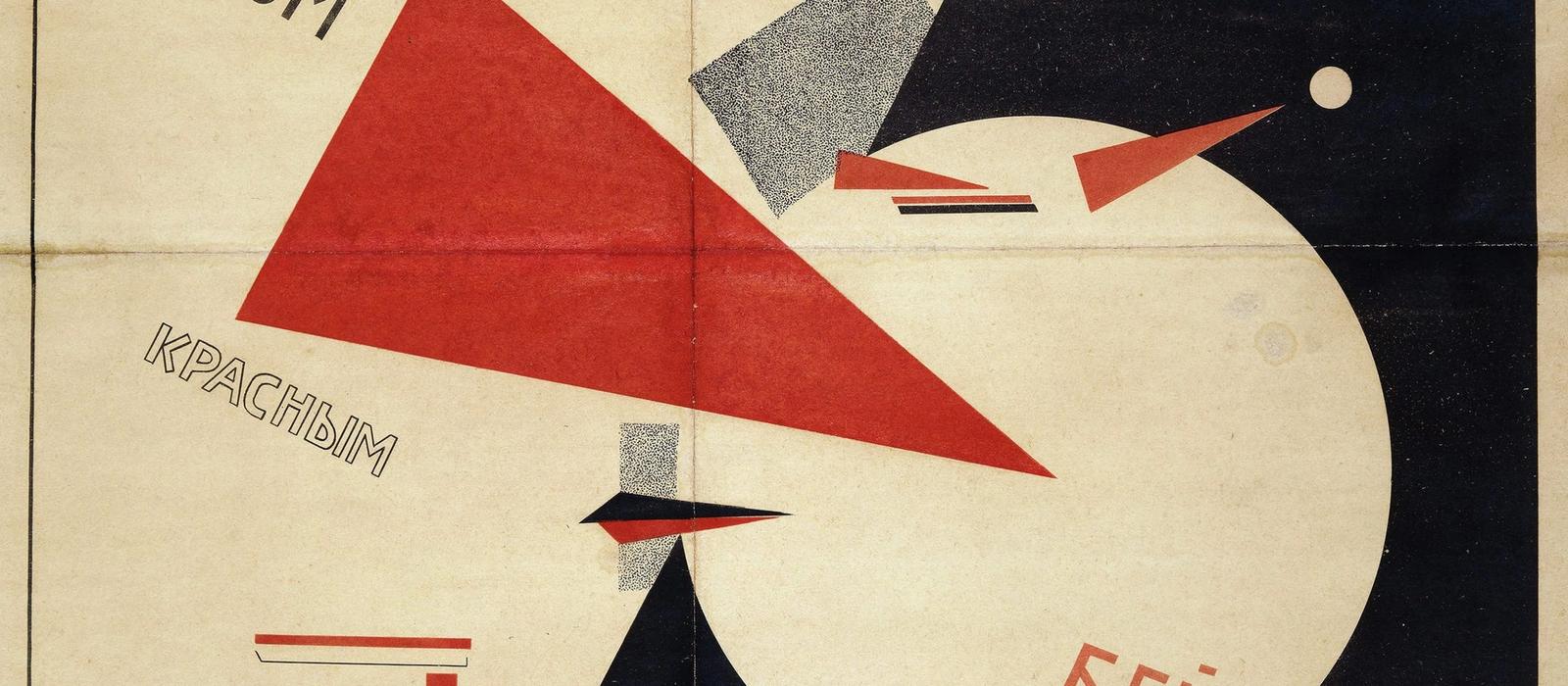
The Long Retreat and the Invariant End Toward a “Left Communist Dengism” Against the Liberal West
https://docs.google.com/document/d/1eCIR6MchIDJYOCYyJGcCRr8DyPX4yj1dacCdjt1yDq8/edit?usp=sharing

April 10, 2026
The Long Retreat and the Invariant End Toward a “Left Communist Dengism” Against the Liberal West
In my new theoretical paper, The Long Retreat and the Invariant End, I propose a synthesis I call "Siege marxism," designed to confront the difficult reality of 20th-century revolutions without abandoning the ultimate, invariant goal of the communist program: the abolition of wage labor and the law of value.
My central argument is that the reforms initiated under Deng Xiaoping after 1978 must be re-evaluated. I reject the notion that they were a simple betrayal. Instead, they were an objectively necessary tactical retreat required because the Maoist path—particularly the Great Leap Forward—failed by attempting to institute communist relations without the necessary material foundations (developed productive forces).
While the post-1978 path is undeniably a form of state capitalism (reintroducing market mechanisms and expanding wage labor), I argue its content was strategic: it built the material infrastructure essential for any future communist project. Crucially, this retreat preserved both Chinese sovereignty and the organizational shell of the Chinese Communist Party (CPC). I insist that the CPC, despite having its theoretical content "substantially, though not entirely, evacuated," maintains the institutional form necessary for a future theoretical recovery.
Furthermore, I argue the CPC’s refusal of the Western liberal model has enormous strategic importance. The emergence of a multipolar world, exemplified by the China-Russia axis, is strategically beneficial for communist politics because it materially refutes the Western hegemonic claim that there is no alternative.
My conclusion is that we must maintain the theoretical rigor of the communist program as the invariant end while seriously engaging with the concrete, compromising historical path, refusing to resolve these profound contradictions cheaply.
The task is to hold the end in view while engaging seriously with the path.
Comments (0)
Sign in to join the discussion.